
Leased vehicles live under a microscope during turn in. That little rock chip you ignored on the highway between Burlington and Battleground can become a line item on your lease-end invoice, and glass issues are among the most common and most preventable charges. If you’re approaching the end of a lease in Greensboro or the Triad, a smart plan for your windshield and side glass can save money and headaches. This is a practical guide drawn from years of coordinating lease returns with Greensboro auto glass shops, dealer inspectors, and drivers who learned lessons the hard way.
Why glass becomes a lease line item
Most lease agreements classify auto glass as wear-and-tear that the driver must maintain. Windshields, door windows, quarter glass, and back glass are all fair game during the inspection. Lessors use paint-depth gauges and structured templates for body panels, but with glass they follow simple rules: cracks are unacceptable, larger chips and pitting that impair visibility are unacceptable, and non-OEM-quality replacements without proper calibration are also unacceptable if the vehicle uses driver-assistance features that rely on the windshield.
Greensboro’s roads create a particular mix of risks. Seasonal potholes on Wendover and I 40 throw debris. Triad temperature swings make small chips blossom into cracks overnight. Add pollen and construction dust that act like sandpaper under worn wiper blades. All of it accelerates wear on windshields. Lease inspectors see hundreds of vehicles a month, and they know what’s normal aging versus neglect.
How lease inspectors evaluate glass
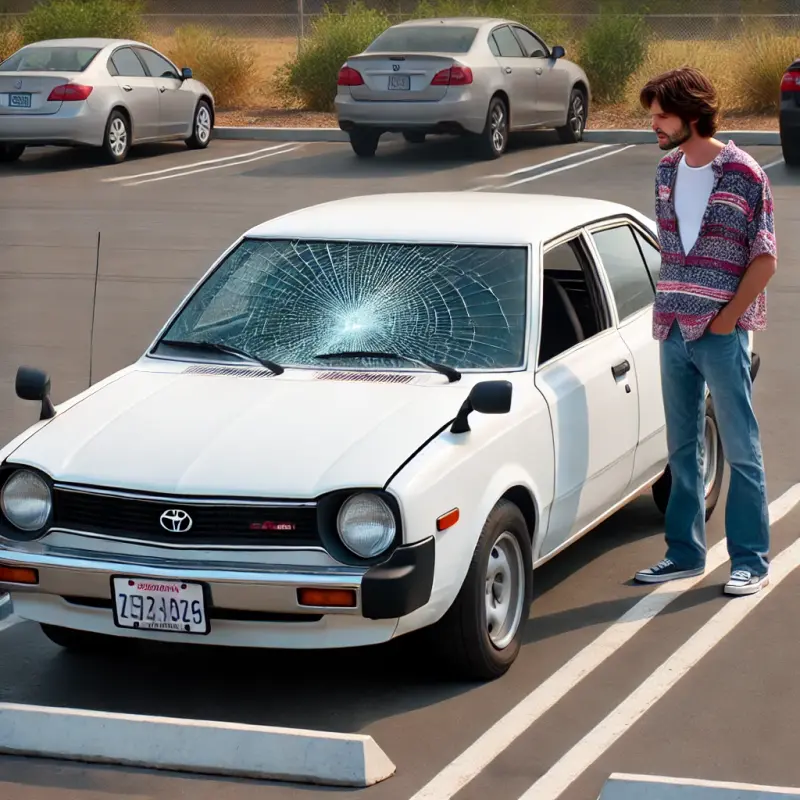
The specifics vary by brand, but the patterns hold. Inspectors start with the driver’s view area, usually the space swept by the wipers. Anything that compromises clarity or safety there will be scrutinized. A chip smaller than a dime, outside the immediate line of sight, is often acceptable if properly repaired. A crack of any length in the driver’s view is typically a fail. Long cracks, edge cracks, and star breaks are usually not acceptable anywhere.
Newer vehicles raise a second issue: ADAS, short for advanced driver-assistance systems. Forward cameras and sensors often mount behind the rearview mirror and look through the windshield. If you replaced the windshield without proper calibration, the inspector may flag it. The charge is not just for glass, but for OEM-grade replacement and recalibration.
Finally, they check for fitment and aftermarket quirks. Does the trim sit flush? Are there rattles or wind noise? Is the rain sensor behaving? A sloppy Greensboro windshield replacement might pass a casual glance, but not a lease inspection.
The Greensboro context, and why timing matters
You can wait until the day before inspection to think about glass, but that often leads to rushed decisions. If you plan around Greensboro’s typical scheduling patterns you keep more options. In my experience:
- Mondays are heavy for shop calls after weekend damage.
- Midweek slots are best for same week mobile service.
- Late afternoons fill with dealer work.
Aim to schedule any needed Greensboro windshield repair or replacement 2 to 3 weeks before your inspection. That allows time for special-order glass, ADAS calibration, and road testing. If you use mobile auto glass in Greensboro, you also want a curing window without heavy rain, especially for urethane adhesives that need several hours to set before the car is safe to drive. Most modern adhesives reach safe drive-away strength in 30 minutes to 2 hours, but full cure takes longer. Planning avoids awkward conversations with the inspector about tape still on the A pillars.
Repair versus replacement: making a lease-smart call
The cheapest option isn’t always the right one. A small chip can be repaired quickly, and Greensboro mobile windshield repair techs can meet you at work. A good repair should be barely visible and structurally stable. But, if the chip sits in the driver’s focal area or has legs extending in multiple directions, repair may not pass.
Use a pragmatic test. If you can see a distortion in the driver’s direct line of sight under daylight, assume the inspector will mark it. Edge cracks, even short ones, tend to spread with temperature swings, which Greensboro provides in abundance from March to May. If you’re within 60 to 90 days of turn in and see an edge crack, replace the windshield now rather than gambling.
For side windows and back glass, there is no repair option. Laminated front windshields can be repaired in limited cases, tempered side and rear windows must be replaced. If you’re dealing with Greensboro car window replacement after a break-in or auto glass greensboro a rock, ask the shop to confirm tint shade and frit band appearance, so the new glass matches the rest. Mismatched glass looks like an accident repair and can prompt extra questions during lease return.
Choosing a shop: what matters beyond price
There are plenty of providers marketing auto glass Greensboro services, and price ranges can be wide. For lease returns, you want to optimize for documentation, OE-equivalent quality, and calibration competence.
The shop should confirm whether your vehicle has camera or sensor packages that require calibration. Many 2018 and newer models do. Ask how they calibrate. Static calibration requires targets set at precise distances; dynamic calibration requires a drive cycle on specific road conditions. Some cars need both. In Greensboro, dynamic calibrations go smoother on bypass roads and divided highways where consistent lane markings help the system relearn.
Experienced shops will proactively discuss moldings and clips. Some vehicles need one-time-use clips that must be replaced for proper fit. The cost is minor compared to a wind noise complaint during inspection. If the shop glosses over details like that, keep looking.
Finally, look for a clean invoice with VIN, glass part numbers, adhesive brand and lot, and calibration printouts. Lease inspectors respond well to specifics. Vague billing leaves room for doubt.
Insurance, lease terms, and the deductible puzzle
North Carolina insurers typically cover windshield repair with little or no deductible, and in many cases cover replacement subject to the comprehensive deductible. If your deductible is 500 dollars and the windshield quote is 450, paying out of pocket makes sense. If the quote is 1,100, which is not uncommon for vehicles with rain sensors, acoustic interlayers, and heated wiper parks, a claim may be the better route.
Two cautions. First, some lease contracts require OEM glass. Others allow OE-equivalent. Clarify in writing with your lessor. Second, if you use insurance, confirm the glass source. Some networks default to aftermarket. If the lessor requires OEM and the network ships aftermarket, you may need the adjuster to authorize the correct part.
Anecdote from last spring: a Greensboro driver with a German SUV booked through insurance, got a beautiful install, but the glass was aftermarket and the lane-keep camera wouldn’t calibrate. The shop did everything right within the constraints they had, but the camera software build demanded OEM glass. They had to redo the job with OEM and recalibrate. The second trip meant time lost and another 300 dollars in clips and trim. The fix would have been a simple email to the leasing company up front.
The ADAS calibration layer
If your windshield has a camera pod or heating elements around the wiper park, assume ADAS is in play. Even if you rarely use adaptive cruise or lane assist, the system must work to pass lease return at many brands.
Calibration isn’t a mysterious ritual, but it is exacting. Static setups involve targets on stands at specified distances and heights, measured with strings, lasers, or jig fixtures. Floor slope matters, lighting matters, and tire pressures matter. Dynamic runs require steady speed and distinct lane lines. In Greensboro, early morning on I 840 often delivers predictable conditions with lighter traffic and clean markings. The tech will monitor the scan tool until the system reports a pass, which can take 10 to 40 minutes of driving, sometimes longer if the software is finicky.
You should receive a calibration report with timestamps, VIN, and pass results. Staple that to your service packet for the lease appointment.
What lease inspectors accept as proof
A tidy folder impresses. Bring two documents: the glass invoice with part details and the calibration report if applicable. If you had rock chip repair, bring the repair invoice with location of the chip marked. When inspectors can check boxes based on clear paperwork, they tend to move on rather than hunt for issues.
If you used mobile auto glass Greensboro service, make sure the invoice includes the company’s full contact info. Some lessors will verify installs by phone if something looks unusual, like an aftermarket acoustic interlayer on a premium trim.
Timing your work around Greensboro weather
Urethane adhesives cure based on temperature and humidity. The Piedmont’s spring and fall swings from cool mornings to warm afternoons affect safe drive-away times. Most shops specify a safety window between 30 minutes and four hours depending on adhesive and conditions. If the forecast shows a cold snap or a rain window, coordinate for indoor service or plan ahead. Driving too soon can compromise bond strength, which is both a safety risk and a potential inspection issue if the windshield shifts and trim gaps appear.
Another weather note: pollen. In peak season, a layer of yellow dust can contaminate the bond if prep isn’t meticulous. Solid shops will mask the area and wipe the pinch weld more than once. If your installer seems rushed on a heavy pollen day, speak up. Good techs appreciate customers who respect the steps.
The small stuff that becomes big at turn in
Wiper blades carve arcs into glass when they’re worn. If you replaced the windshield six months ago but kept tired blades, you may have created fine scratches that scatter light at night. Lease inspectors notice. Always replace wiper blades after glass work. Expect 20 to 40 dollars for decent blades, more for specialized designs.
Hydrophobic coatings are another nuance. They’re great for visibility, but if applied haphazardly they leave streaks inspectors interpret as wear. If you love coatings, apply them evenly and keep a maintenance schedule so the surface looks uniform.
Don’t ignore minor wind noise. It can indicate a reveal molding out of place or a gap near an A pillar. A quick re-seat or foam block adjustment by the shop can quiet the cabin and remove a visible cue that something is off.
Where mobile service shines, and where a shop bay is smarter
Mobile service is a gift when your schedule is tight. Many Greensboro auto glass repair teams can fix a chip in a parking lot or replace a windshield in your driveway. For straightforward vehicles without ADAS, mobile is often ideal. For ADAS vehicles, mobile can still work if the company brings calibration equipment or partners with a calibration center. Some shops perform the install mobile, then ask you to visit the shop for calibration. That split approach is fine as long as you plan enough days before your lease inspection.
Shop bays have advantages when the vehicle requires special rust treatment on the pinch weld, complex moldings, or controlled-environment calibration. Also, if your car has a panoramic roof or a heads-up display paired with the windshield’s optical layer, a controlled environment reduces the chance of dust or misalignment.
Costs you can expect in Greensboro
Prices vary, but patterns hold across the Triad. Rock chip repair often runs 75 to 150 dollars for the first chip, with incremental charges for additional chips. Standard windshields on non-ADAS vehicles can range from 300 to 500. Add rain sensors, acoustic interlayers, heated elements, and camera mounts, and you’re in the 700 to 1,200 bracket, sometimes more for luxury brands or if OEM glass is mandatory. Greensboro car window replacement for a tempered side window typically runs 200 to 400, with back glass ranging 300 to 800 depending on defrosters and antennas.
Calibration adds 150 to 350 per session, and some vehicles require both static and dynamic. These are real numbers, not scare tactics. Compare them to typical lease-end glass charges, which often mirror dealer retail rates with little mercy. Spending 400 to avoid a 900 invoice is common sense.
Working with dealers versus independent shops
Dealers are convenient because they know the brand standards and their invoices carry weight. The trade-off is cost and scheduling. Independent Greensboro auto glass replacement providers often match or exceed dealer quality on the install, handle calibration, and provide more flexible times. The key is choosing a shop that respects OEM specs when required and documents work like a dealer would.
A practical pattern I recommend: call the dealer service department to ask whether your lease program demands OEM glass or accepts OE-equivalent, then choose a Greensboro windshield replacement shop that can source the specified part and provide calibration documentation. You get dealer clarity with independent efficiency.
A short, realistic checklist for 30 days before turn in
- Read your lease’s wear-and-tear section for glass requirements, and email the lessor to confirm OEM versus OE-equivalent rules.
- Inspect the windshield in direct sunlight, seated at driver height, and mark any chips or lines you see.
- Book Greensboro windshield repair or replacement with a shop that can provide ADAS calibration if needed, and schedule at least two weeks before inspection.
- Replace wiper blades after any glass work, and keep the invoice with your glass paperwork.
- Keep the glass clean, skip abrasive pads, and avoid automatic washes with aggressive brushes until the urethane has fully cured.
Common edge cases that trip up otherwise careful drivers
The long crack hiding in the frit band. The black dotted perimeter can conceal a crack that started at the edge. Inspect from inside the vehicle using a flashlight at an angle. Lease inspectors know this trick.
Invisible pitting. Highway miles sandblast the windshield. At night, pitting can cause halos around headlights. If pitting is severe within the wiper arc, a replacement may be safer and cheaper than risking a visibility complaint.
Mismatched tints on side windows. After a break-in repair, a side window with slightly different factory tint compared to the opposite side can look wrong. Ask for the correct tint value, not just “fits physically.”
Aftermarket rain sensor gel pads. If the gel pad is not the proper spec, the wipers behave erratically. Inspectors sometimes test the auto wiper function. If your wipers act confused, ask the shop to replace the pad with OEM spec.
Reused moldings on vehicles that strongly prefer new ones. Some models tolerate reused moldings, others don’t. If you see waviness near the A pillars after the install, return to the shop for correction.
Navigating insurance glass networks without losing control
Insurance networks make life easier, but once you’re in the queue, parts decisions can happen without much visibility. You’re allowed to ask for the exact glass brand and part number before the order ships. You’re allowed to ask for OEM if your lease requires it. You’re allowed to choose a specific Greensboro auto glass replacement provider outside the network, though you may face different cost sharing.
If your insurer says aftermarket is all they’ll approve, you can present an email from the lessor stating OEM is required. Most adjusters will authorize the correct part to avoid future liability and repeat work.
The role of documentation at the lease appointment
Arrive with the glass paperwork on top, not buried. If you proactively mention that the windshield was replaced or repaired, the inspector will examine it either way, but leading with documentation sets the right tone. They’re checking boxes. Help them check yours faster.
If an inspector questions a calibration, show the printout. If a brand demands their own dealer calibration, that should have been clear from your earlier email to the lessor. If it wasn’t, you can sometimes schedule a same day or next day dealer calibration and avoid a ding by completing the work within a short grace period. It helps if your independent shop is willing to transmit their procedure notes to the dealer.
Tying it back to Greensboro realities
People in Greensboro drive a mix: work trucks, college commuters, family crossovers, a fair number of luxury SUVs. I see a lot of rock chip repair Greensboro customers who delay until two or three chips merge into a crack. The first chip costs 100 dollars, the crack costs ten times that. I also see drivers who replaced the windshield early in the lease with a bargain glass that lacked acoustic interlayer, then spent years with a loud cabin and, at the end, questions from the inspector about part correctness.
The best outcomes come from small, timely decisions. Fix chips as they happen. Confirm ADAS needs before you schedule. Use a shop with calibration chops. Keep receipts. And time the work a couple of weeks before your inspection, not the night before.
Local vendor patterns without naming names
I won’t recommend a specific business here, but I’ll share patterns that have served lease customers well:
- Shops that offer both mobile auto glass Greensboro service and in-bay calibration, with the ability to switch if weather turns.
- Technicians who photograph the VIN, damage before, primer application, and final fit, then attach the photos to your invoice. Inspectors love visual proof.
- Service writers who ask about garage access for mobile installs in case of rain, and who bring canopy tents for light drizzle.
- Teams that stock common Greensboro windshield repair resins with different viscosities. Thin resin for tight star cracks, thicker resin for bullseyes. The difference shows under sunlight.
- Providers who explain cure times honestly and won’t release the car early just to clear a bay.
Those are green flags. You’ll feel the difference in the first five minutes on the phone.
A realistic plan if your inspection is this week
If you’re down to days, prioritize issues that fail automatically. Any crack in the driver’s primary view means act now. Call for Greensboro mobile windshield repair or replacement and ask about earliest calibration slots. If the damage is a small chip outside the view area, a quick repair with proper curing can still make it before inspection. Keep in mind, same-day replacement with same-day calibration is possible on many vehicles if you start early.
If scheduling is impossible, talk to your dealer about a pre-inspection. Some brands allow minor corrections within a short window without penalizing you. You may also be able to extend the lease by a week for a prorated fee, which can be cheaper than an avoidable glass charge.
Final thoughts from the field
Lease returns reward preparation. Auto glass sits at the intersection of safety, optics, and paperwork, which is why it becomes a line item so often. Greensboro drivers have good options for greensboro auto glass replacement, greensboro windshield repair, and greensboro mobile windshield repair, but the best outcomes come when you drive the process: verify your lease requirements, choose quality over hasty fixes, document everything, and leave time for calibration and curing.
Handled this way, the glass portion of your lease return becomes routine. You hand over the keys with a clear windshield, a quiet cabin, and a small stack of receipts the inspector barely has to read. Then you walk away without paying for problems you could have solved for less.